November 8, 2026
Tank vs. Tankless Water Heater Installation: Pros and Cons
By @fernandobpyr444
Few household appliances inspire less affection than the water heater, right up until it quits. Then it becomes the most important machine in the house, outranking the refrigerator, the Wi-Fi router, and possibly the family dog. A cold shower has a way of clarifying priorities.
If you are planning a water heater installation, you are probably staring at the same fork in the road many homeowners face: traditional tank or tankless? One stores hot water like a dutiful thermos in the basement or garage. The other heats water on demand, like a tiny overachieving boiler with a caffeine problem.
Both can be excellent. Both can be wrong. The best choice depends on your household, your plumbing, your fuel source, your budget, your patience for maintenance, and whether your teenager believes showers should have a second act.
Let’s get into the real pros and cons, not the showroom version where every unit is “high efficiency” and every installation looks like it took place in a laboratory.
The basic difference, without the sales fog
A tank water heater keeps a stored supply of hot water ready at all times. Common residential sizes run from about 40 to 80 gallons, with 40 and 50 gallons being the usual suspects in many homes. It heats the water, waits, reheats when the temperature drops, and repeats that cycle whether anyone is showering or not. Think of it as a crockpot for domestic comfort.
A tankless water heater does not store hot water. When you open a hot tap, cold water flows through a heat exchanger, where gas burners or electric elements heat it as it passes through. Close the tap, and the system shuts down. No tank of hot water sitting around waiting for someone to wash a cereal bowl.
That simple difference creates nearly every trade-off that follows: comfort, cost, installation complexity, energy use, maintenance, lifespan, and repair behavior.
The case for tank water heaters
There is a reason tank water heaters are still everywhere. They are familiar, widely available, and relatively simple to install when replacing a similar unit. A good Plumber can usually swap a standard gas or electric tank water heater without redesigning half the utility room, provided the existing setup is safe and up to code.
The biggest advantage is upfront cost. In many areas, a conventional tank installation costs significantly less than a tankless installation. Prices vary by region, fuel type, code requirements, and access, but the pattern is consistent: tank heaters are usually cheaper to buy and simpler to put in. If your old 50-gallon gas unit is sitting in the garage with standard venting, standard gas supply, and an existing drain pan, a replacement may be fairly straightforward.
Tank heaters are also forgiving. They can serve multiple fixtures at once until the stored water runs out. If someone showers while the dishwasher runs, the tank does not need to instantly produce all that heat in real time. It draws from its reserve. This is one reason tanks can feel more predictable in homes with older plumbing or inconsistent flow rates.
They also play well with modest infrastructure. A gas tank heater may need a standard gas line and proper venting. An electric tank heater needs the right circuit. Neither usually demands the same fuel delivery or venting changes that tankless units often require. That matters in older homes, where every improvement seems to uncover a previous owner’s “creative” interpretation of building science.
Repairs can be simpler too. Tank water heaters are mechanically less complicated than tankless models. Thermocouples, gas valves, heating elements, thermostats, anode rods, pressure relief valves, dip tubes, these are familiar parts to most plumbing technicians. Water heater repair on a tank unit often costs less than troubleshooting a sophisticated tankless system packed with sensors, boards, fans, and flow controls.
Where tank water heaters lose their charm
The tank’s great strength, stored hot water, is also its weakness. Once the tank is depleted, everyone waits. If you have a 50-gallon tank and three people take long showers back to back, the fourth person may get a character-building experience. Recovery time depends on the unit’s size, fuel type, burner or element capacity, incoming water temperature, and set temperature.
Tank heaters also waste some energy through standby loss. Even insulated tanks lose heat. The system must reheat water periodically whether you use it or not. Modern tanks are much better than older models, but the basic physics remain. Hot water sitting in a container cools down. Your water heater then spends energy warming it back up, like reheating coffee you forgot because someone rang the doorbell.
Space is another issue. A tank takes up room. In a garage, basement, closet, or mechanical room, that may not matter. In a condo, small utility closet, or tight laundry area, it can matter a lot. A tank also carries the delightful possibility of leaking a large volume of water if it fails. A properly installed drain pan and discharge piping help, but water has an ancient grudge against drywall and flooring.
Lifespan is usually shorter than tankless. Many tank water heaters last around 8 to 12 years, though water quality, maintenance, installation quality, and usage can push that number in either direction. Hard water, high pressure, neglected anode rods, and thermal expansion problems can shorten the life of a tank. A tank in a high-mineral area may age like a banana left on a dashboard.
The case for tankless water heaters
Tankless water heaters win many homeowners over with one phrase: endless hot water. That phrase needs a footnote the size of a bath towel, but the appeal is real. A properly sized tankless unit can produce hot water continuously as long as fuel, water flow, and equipment capacity are sufficient. No storage tank to empty. No waiting 40 minutes for recovery after the last shower.
That makes tankless especially attractive for households with staggered but heavy hot water use. If one person showers at 6:30, another at 7:00, laundry starts at 8:00, and someone runs a bath at 9:00, tankless can be wonderful. It is also useful for large soaking tubs that can outrun smaller tank heaters. The unit keeps heating as water flows, assuming it is sized to the demand.
Energy efficiency is another selling point. Because tankless systems avoid standby loss, they often use less energy than conventional tanks, especially gas tankless models with high efficiency ratings. The savings vary. A household that uses little hot water may save more proportionally. A large family with heavy daily usage may still save energy, but the payback period depends on installation cost, fuel prices, maintenance, and usage patterns.
Tankless units save space. They hang on a wall and free up floor area. That alone can be a big deal in townhomes, smaller houses, or utility rooms already packed with a furnace, air handler, water softener, and enough holiday decorations to suggest a side business in seasonal cheer.
They also tend to last longer when maintained. Many tankless water heaters can operate for 15 to 20 years, sometimes longer, with proper service and good water conditions. Components can often be replaced individually, which makes the system more repairable over the long haul. That does not mean cheap to repair, but it does mean a failing part does not always equal full replacement.
The tankless footnotes people learn too late
The most common misunderstanding about tankless is the word “endless.” Tankless gives you continuous hot water, not unlimited hot water at unlimited flow. Every unit has a maximum output measured in gallons per minute, and that output depends heavily on temperature rise.
Temperature rise is the difference between incoming cold water and desired hot water. If your incoming water is 60 degrees and you want 120-degree water, the heater must add 60 degrees. If your incoming water is 40 degrees in winter, it must add 80 degrees. The colder the inlet water, the fewer gallons per minute the unit can heat.
This is why the same tankless unit may behave differently in Arizona than in Minnesota. Water heaters have opinions about geography.
Tankless units also require minimum flow to activate. If you barely crack a hot tap, some units may not fire. Modern models are better about this, but low-flow fixtures, long pipe runs, and certain mixing valves can still create quirks. Sometimes a homeowner says, “The HVAC contractor water turns cold when I rinse a spoon.” That is not a lifestyle issue. It may be a flow issue.
Installation is the other big footnote. Tankless water heater installation is often more involved than replacing a tank. Gas tankless units may need larger gas lines because they fire at high BTU rates. They may require new venting, often stainless steel or manufacturer-approved vent pipe, or direct venting through an exterior wall. Condensing tankless units need condensate drainage and, in some cases, neutralization. Electric tankless units may require substantial electrical capacity, sometimes more than an older panel can provide comfortably. That is where an Electrician becomes part of the conversation, not just a name on a truck.
If you are switching from a standard tank to tankless, do not assume the old connections are ready. The gas meter, pipe sizing, vent route, water pressure, electrical outlet, combustion air, clearances, and condensate disposal all matter. A sloppy installation can turn a premium system into an expensive wall ornament.
A quick comparison that actually helps
| Factor | Tank water heater | Tankless water heater | |---|---|---| | Upfront cost | Usually lower | Usually higher | | Hot water supply | Limited by tank size and recovery | Continuous within flow capacity | | Space needed | Larger footprint | Wall-mounted, compact | | Installation complexity | Often simpler when replacing like-for-like | Often more complex, especially retrofits | | Maintenance needs | Periodic flushing, anode checks | Regular descaling, filter cleaning | | Typical lifespan | Often 8 to 12 years | Often 15 to 20 years with maintenance | | Best fit | Budget-conscious replacements, simple setups | Long-term owners, high use patterns, space savings |
A table can make this look tidier than real life. Real houses have weird closets, undersized gas lines, hard water, long pipe runs, and at least one shutoff valve painted open by someone in 1997. Still, these broad differences hold up.
Installation costs: why “how much?” gets a squinty answer
Homeowners understandably want a number. Contractors understandably hesitate, because water heater installation cost depends on details that are hard to see over the phone. A tank replacement in an accessible garage is one thing. A tankless conversion in a closet with inadequate venting and an undersized gas line is another thing entirely.
For a tank unit, cost factors include the heater size, gas versus electric, venting condition, permit requirements, drain pan, expansion tank, shutoff valves, seismic strapping in applicable areas, disposal of the old unit, and whether any code corrections are needed. If the old installation was sketchy, the new one cannot legally or ethically copy the sketchiness just because it “worked fine” for 18 years. Lots of unsafe things work fine right up until they stop being fine.
For tankless, add gas pipe sizing, vent system changes, condensate management, water line modifications, possible recirculation design, electrical receptacle or circuit needs, wall mounting, freeze protection for exterior units, and manufacturer-specific clearances. If the unit is electric tankless, electrical capacity can dominate the conversation. Some whole-house electric tankless systems require multiple high-amperage breakers. In an older home, that may mean panel upgrades or service calculations. That is not a plumbing detail. That is a licensed electrical detail.
This is why a good contractor will ask about the number of bathrooms, tub sizes, fuel type, existing equipment, where the unit sits, whether you have a recirculation line, and what problems you are trying to solve. If someone quotes a tankless conversion with no questions, no photos, and no site visit, they are either very lucky or writing fiction.
Sizing: the part where math saves marriages
A tank water heater is sized mainly by storage volume and recovery rate. A 40-gallon tank might suit a small household with moderate use. A 50-gallon unit is common for families. Larger households, large tubs, or high simultaneous use may need 75 gallons or more, or a high-output model. But bigger is not always better. Oversizing can waste energy and money, especially if the usage does not justify it.
Tankless sizing focuses on peak flow and temperature rise. A shower might use roughly 1.5 to 2.5 gallons per minute depending on the fixture. A bathroom faucet may use less. A washing machine or tub fill can use more. The installer estimates which fixtures might run at the same time and chooses a unit that can deliver enough hot water at the local winter inlet temperature.
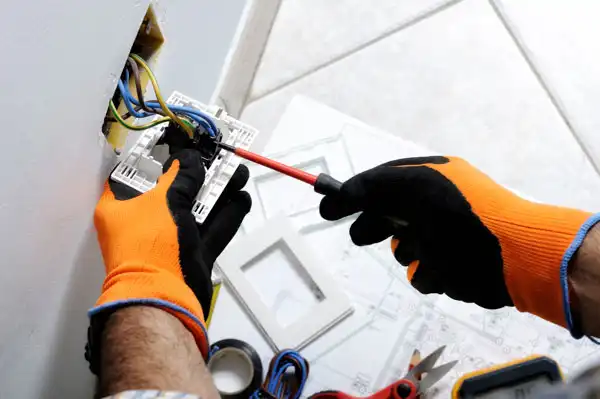
Here is the catch: people are wildly optimistic about their own behavior. A couple may say they never run showers at the same time. Then relatives visit, school starts, and suddenly the house operates like a locker room. Sizing should reflect real peak demand, not the version of your family that exists only when company is not around.
A practical discussion with a Plumbing contractor should include the worst-case morning routine, not just average use. If two showers, a dishwasher, and a laundry cycle might overlap, say so. The water heater cannot read minds, and it definitely cannot negotiate with teenagers.
Gas, electric, and the infrastructure hiding behind the wall
Gas tank water heaters are common because they heat quickly and recover faster than many standard electric tanks. Gas tankless units are also common because they can produce high heat output efficiently. But gas equipment brings venting, combustion air, gas line sizing, and code requirements into play. If you are adding a tankless unit that demands far more BTUs than the old tank, the existing gas line may be too small. A Gas installation service may need to evaluate the piping and meter capacity.
Electric tank heaters are simpler in some homes, especially where gas is unavailable. They do not need combustion venting, but they do need proper electrical circuits. Electric tankless is a different animal. Whole-house electric tankless can draw a lot of power when running. In some homes, it is a fine choice. In others, the electrical upgrade required makes it impractical. An Electrician should perform load calculations rather than guessing from the panel door like a carnival game.
There are also heat pump water heaters, which deserve a mention even though they are not the star of this tank versus tankless duel. A heat pump water heater uses electricity to move heat from surrounding air into the water. It can be very efficient, but it needs enough air volume, suitable ambient temperatures, condensate drainage, and space. It also cools and dehumidifies the area around it. In a hot garage, that may be a bonus. In a small cold closet, not so much. If you are already comparing options, asking about heat pump installation or heat pump water heater installation may be worthwhile.
Maintenance: the unglamorous difference between “lasted forever” and “died young”
Every water heater wants maintenance. Some homeowners ignore this and still get a decade of service. Others ignore it and get a flooded closet plus a bill that makes them stare silently out a window. Water quality is the great divider.
Tank heaters benefit from periodic flushing to remove sediment. Sediment collects at the bottom, especially in hard water areas. It can cause popping noises, reduce efficiency, damage the tank lining, and shorten the heater’s life. The anode rod also matters. This sacrificial metal rod helps protect the tank from corrosion. Once it is depleted, the tank itself becomes the snack. Checking and replacing an anode rod can extend tank life, though access can be difficult in tight spaces.
Tankless heaters need descaling, especially in hard water areas. Minerals build up inside the heat exchanger, restricting flow and reducing heat transfer. The unit may throw error codes, deliver inconsistent temperatures, or fail prematurely. Many manufacturers recommend annual service, though frequency depends on water hardness and usage. Cleaning inlet filters also matters.
A water softener installation can change the story. Softened water reduces scale buildup, which helps tankless heat exchangers and plumbing fixtures. It can also benefit appliances, shower valves, and dishwashers. That said, water chemistry should be handled sensibly. Extremely aggressive water can create other issues. A local pro who understands regional water conditions is worth more than a generic internet answer.
Comfort quirks: cold-water sandwiches and waiting games
Tankless systems have a few comfort quirks. One is the “cold-water sandwich.” This can happen when hot water is used briefly, stopped, then started again. A slug of cooler water may arrive between warm segments. Better unit design and recirculation strategies can reduce this, but some systems still do it. The first time it happens in the shower, most people make a noise normally reserved for stepping on a Lego.
Another issue is wait time. Tankless does not mean instant hot water at distant fixtures. If the heater is far from the bathroom, you still must push cooled water out of the hot line before heated water arrives. The delay depends on pipe length, diameter, and flow rate. A recirculation system can help, but it adds cost, controls, energy considerations, and installation complexity. Some tankless units include built-in recirculation pumps, while others require external pumps and dedicated return lines or crossover valves.
Tank systems can also have wait time, of course. The distance from heater to tap matters either way. If your bathroom is on the far side of the house, your water heater is not slow. Your piping layout is simply asking hot water to commute.
When a tank is the smarter choice
Tankless gets a lot of attention, but a tank is often the better choice. If your budget is tight and your current tank setup worked well, replacing with a similar high-quality tank may be the most sensible move. If you plan to sell the house soon, the payback on tankless may not pencil out. If your gas line or electrical service would need major upgrades, the installation cost can outweigh the benefits.
A tank is also a good fit when hot water demand is predictable and moderate. A two-person household with one or two bathrooms may not need tankless performance. Likewise, in homes where maintenance is likely to be neglected, a tank may be more forgiving. Tankless equipment is efficient and impressive, but it does not enjoy being ignored.
There is dignity in choosing the boring option when the boring option fits. Not every home needs a sleek wall-mounted unit with a digital display. Sometimes the correct answer is a dependable 50-gallon tank, installed properly, with a pan, expansion tank if needed, good venting, and valves that do not look like archaeological artifacts.
When tankless earns its keep
Tankless makes sense when the household wants long-duration hot water, has the infrastructure to support it, and plans to stay long enough to benefit from the investment. Large families, homes with big tubs, back-to-back showers, vacation rentals, and households with variable schedules can all benefit.
It also makes sense when space matters. Reclaiming floor space can be valuable in compact utility rooms. Some homeowners switch to tankless during remodeling because moving or resizing a mechanical closet opens up design options. If you are already doing plumbing repiping, gas upgrades, or major renovations, the incremental work to support tankless may be easier to justify.
Tankless can also be attractive when paired with thoughtful recirculation controls, especially in larger homes. Done poorly, recirculation can waste energy. Done well, it can improve comfort without running constantly. Timers, aquastats, motion sensors, and smart controls all have their place, though the simplest reliable setup often wins. Fancy controls are nice until someone needs three apps and a password reset to get warm water.
The hidden role of the rest of the house
Water heaters do not live in isolation. They share space and systems with heating, cooling, electrical, drainage, and sometimes septic components. In a mechanical room, the water heater may sit beside a furnace, air handler, or boiler. Venting changes can affect combustion safety. Drainage for condensate may tie into existing plumbing. Electrical modifications may interact with panel capacity. If the home has a septic system, high-volume fixtures and household water habits may also influence broader plumbing decisions, though the water heater itself is not a septic system service issue.
This is why companies that handle multiple trades can be useful on complicated projects. A firm like Service Lion Plumbing Heating Air Electric, for example, can look at a water heater replacement through more than one lens: plumbing, gas, electrical, heating, and even comfort systems. That matters when a tankless conversion touches gas installation service, electrical work, venting near HVAC equipment, or condensate disposal. One-trade tunnel vision can miss things.
The same is true if your home already has related issues. Low water pressure, old galvanized piping, frequent plumbing leak repair, recurring drain cleaning, or root intrusion that requires Rooter service or Hydrojetting will not be magically solved by a new water heater. In fact, a new tankless system may reveal flow restrictions that an old tank quietly tolerated. If the hot side piping is badly scaled, Plumbing repiping may improve performance more than changing heater type.
What about repairs?
Water heater repair decisions depend on age, condition, and failure type. For a newer tank with a failed thermocouple or heating element, repair often makes sense. For a 12-year-old tank leaking from the bottom, replacement is the rational path unless you enjoy mopping as a hobby. A leaking tank body is not repairable in any practical sense.
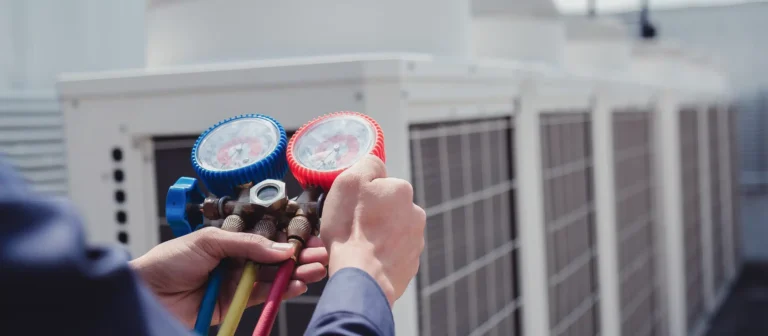
Tankless repair can be worthwhile because individual components are replaceable. Igniters, flame rods, fans, sensors, control boards, and water valves can often be serviced. But parts and labor may cost more than tank repairs. Brand support matters too. A common model with available parts is easier to keep alive than an obscure unit installed by a company that vanished shortly after printing the invoice.
Error codes help, but they are not magic. A code may point to ignition failure, but the cause could be gas pressure, vent blockage, a dirty flame rod, condensate issues, or control failure. This is where experienced diagnosis beats parts swapping. The same principle applies across trades, whether you are dealing with water heater repair, furnace repair service, air conditioning repair, or an electrical fault. The first guess is not always the fix.
A homeowner’s short pre-installation checklist
Use this before you commit to tank or tankless. It is not glamorous, but neither is discovering your gas line is undersized after the old heater is already disconnected.
- Count realistic simultaneous hot water uses, including showers, tubs, laundry, and dishwasher cycles.
- Confirm your fuel source and whether gas, electric, venting, or panel capacity upgrades are likely.
- Ask about local water hardness and maintenance requirements for the model you are considering.
- Discuss permits, code updates, expansion tanks, drain pans, condensate, and safety shutoffs.
- Compare total installed cost, not just the price printed on the water heater box.
That last point matters. A cheap unit with expensive modifications may not be cheap. A pricier unit with a cleaner installation path may be the better buy. Water heaters are sneaky that way.
The efficiency question, with fewer fairy tales
Efficiency ratings are useful, but they do not tell the whole story. A high-efficiency tankless unit may have a great rating, but if installation requires major gas work and annual descaling, the financial payback may take years. A modern tank may have lower efficiency, but if it costs much less to install and meets your household needs, it can be the better economic choice.
Usage patterns drive savings. If a home uses relatively little hot water, avoiding standby loss helps. If a home uses huge volumes of hot water, tankless still may be efficient, but total fuel use remains substantial because heating water takes energy no matter how stylish the box looks. Physics does not care about marketing brochures.
Climate matters too. Colder incoming water reduces tankless output and increases energy needed to reach setpoint. Water temperature settings matter. Many homes use 120 degrees as a practical setting to reduce scald risk and energy use, though some systems and households require different settings. Anti-scald mixing valves, dishwasher requirements, and local codes may influence the best setup.
Safety and code are not optional accessories
A proper installation protects the home. Temperature and pressure relief valves must discharge safely. Gas appliances need correct venting and combustion air. Electric units need correctly sized circuits, grounding, bonding where applicable, and code-compliant disconnects or breakers. Condensate from high-efficiency gas tankless units must drain properly and may need neutralization depending on local requirements and manufacturer instructions.
Expansion tanks often come up during replacement. When a home has a closed plumbing system, thermal expansion can increase pressure as water heats. An expansion tank gives that pressure somewhere to go. Without it, pressure can stress the water heater, fixtures, and piping. This is one of those small components that can prevent big annoyances.
Seismic strapping is required in some regions. Drain pans may be required or strongly recommended where leakage could damage the structure. Vacuum relief valves, mixing valves, and dedicated shutoffs may be needed depending on the installation. None of these are exciting. All of them are more exciting than an insurance claim.
The neighbor’s water heater is not your water heater
Homeowners often compare notes. This is both useful and dangerous. Your neighbor may love their tankless unit because they have a short vent run, soft water, a properly sized gas line, and two adults in the house. You may have hard water, four bathrooms, an oversized tub, and a utility closet located in a place only a raccoon could admire.
Likewise, someone may hate tankless because they had a poor installation, not because tankless is bad. Undersized equipment, bad venting, inadequate gas supply, skipped maintenance, or improper recirculation can make a good product perform badly. The equipment gets blamed, but the installation was the real villain. It happens in plumbing, and it happens in HVAC too. Ask any Air conditioning contractor how many “bad units” were actually airflow problems, poor ductwork, missed Air conditioning maintenance, or a skipped Air conditioning tune-up.
The lesson is simple: choose based on your house, not someone else’s victory lap or horror story.
A practical way to decide
If your existing tank served your household well, your budget is limited, and the installation location is straightforward, a tank replacement is hard to argue against. Choose a reputable model, install it correctly, maintain it, and get on with your life.
If you regularly run out of hot water, want to free up space, plan to stay in the home, and are ready for the higher installation cost and maintenance schedule, tankless deserves serious consideration. Just insist on proper sizing and a full evaluation of gas, electrical, venting, water quality, and recirculation needs.
If you are unsure, ask for both options priced honestly. Not just “tank versus tankless,” but tank installed to current code versus tankless installed correctly with all necessary supporting work. The cheapest quote is not always the least expensive outcome. Water heaters punish wishful thinking with cold showers and, occasionally, wet floors.
The verdict from the mechanical room
Tank water heaters are practical, familiar, and cost-effective. They are the pickup trucks of hot water: not glamorous, but ready to work. Tankless water heaters are efficient, compact, and excellent for the right household. They are more like a high-performance appliance: impressive when sized, installed, and maintained properly, but less forgiving of shortcuts.
The right choice is the one that matches your home’s infrastructure and your family’s habits. A great tank installation beats a bad tankless installation every time. A properly designed tankless system can outperform a tank in comfort, longevity, and space savings. The trick is not falling in love with a category before looking at the house.
Hot water should feel boring. That is the goal. No drama, no rationing, no surprise cold rinse, no mysterious puddle by the laundry room. Whether that boring comfort comes from a tank or a tankless unit depends on the details, and the details are exactly where a good installer earns their keep.
Name: Service Lion Plumbing Heating Air Electric
Address: 521 W Briardale Ave, Orange, CA 92865, United States
Phone: (657) 337-3622
Website: https://callservicelion.com/
Email: [email protected]
Hours:
Monday: Open 24 hours
Tuesday: Open 24 hours
Wednesday: Open 24 hours
Thursday: Open 24 hours
Friday: Open 24 hours
Saturday: Open 24 hours
Sunday: Open 24 hours
Open-location code: R48R+WV Orange, California, USA
Map/listing URL:
https://www.google.com/maps/search/?api=1&query=Google&query_place_id=ChIJQU4LBWHV3IARtnABtyykSA4
Google Map:
Socials:
https://www.facebook.com/ServiceLionCA/
https://www.youtube.com/channel/UCR_L35QzsRTxYZtX8PxJvPw
Local Service Information
Service Lion Plumbing Heating Air Electric provides plumbing, drain, heating, air conditioning, and electrical services from its Orange, California location.The company serves homeowners and properties throughout Orange and communities across Orange County and surrounding areas.
Available services include plumbing repairs, water heater work, drain and sewer services, heating and cooling service, electrical repairs, panels, lighting, outlets, and related home-system work.
Service is available for residential properties as well as light commercial needs described within the company's local service-area information.
The company's website emphasizes locally operated service, coordinated home-system support, and practical scheduling for plumbing, HVAC, and electrical needs.
The matching public business listing shows the Orange location as open 24 hours a day, seven days a week.
For service information or scheduling, call (657) 337-3622 or visit https://callservicelion.com/.
The public map listing identifies the business at 521 W Briardale Ave, Orange, CA 92865 and can be used for location and direction information.
Popular Questions About Service Lion Plumbing Heating Air Electric
What services does Service Lion Plumbing Heating Air Electric provide?
The company provides plumbing, drain and sewer, heating, air conditioning, and electrical services. Its published services include plumbing repair, water heaters, drain clearing, sewer work, HVAC repair and installation, electrical repairs, panels, circuit breakers, lighting, outlets, and related services.
Where is Service Lion Plumbing Heating Air Electric located?
The matching business location is 521 W Briardale Ave, Orange, CA 92865, United States.
What areas does Service Lion Plumbing Heating Air Electric serve?
The company serves Orange County and surrounding communities. Its published service-area information includes Orange, Anaheim, Brea, Yorba Linda, Fullerton, Huntington Beach, Newport Beach, Costa Mesa, Irvine, Lake Forest, and additional nearby cities.
Is Service Lion Plumbing Heating Air Electric open 24 hours?
The matching public business listing shows the location as open 24 hours on Monday through Sunday.
Does Service Lion Plumbing Heating Air Electric work on drains and sewer lines?
Yes. Published services include drain clearing, rooter service, camera inspection, hydro jetting, sewer line repair and installation, water line work, slab leak detection, and trenchless sewer line repair.
Does Service Lion Plumbing Heating Air Electric provide heating and air conditioning service?
Yes. Its published HVAC services include air conditioning repair and installation, heating service, furnace work, heat pumps, air ducts, indoor air quality assessments, and thermostat installation.
Does Service Lion Plumbing Heating Air Electric provide electrical service?
Yes. Published electrical services include repairs and installations, electrical panels, circuit breakers, safety inspections, lighting, outlets and switches, surge protection, generators, and EV charging equipment installation.
How can I contact Service Lion Plumbing Heating Air Electric?
Call (657) 337-3622.
Email: [email protected]
Website: https://callservicelion.com/
Facebook: https://www.facebook.com/ServiceLionCA/
Landmarks Near Orange, California
Old Towne Orange Historic District
A central historic district and useful geographic reference point for the Orange community.
Plaza Park
A well-known public gathering point in the center of Old Towne Orange.
Orange Public Library & History Center
A civic landmark serving residents near central Orange.
Hart Park
A major public park and recreation area south of central Orange.
Eisenhower Park
A public park serving neighborhoods in northern Orange.
Santiago Oaks Regional Park
A regional recreation and open-space landmark on the eastern side of Orange.
Irvine Regional Park
A large regional park and recognizable reference point east of the city.
Orange Park Acres
A distinctive residential community and service-area reference point in eastern Orange.
El Modena
An established Orange neighborhood that provides a practical local coverage reference.
Glassell Street
One of the city's principal north-south streets and a useful route through central Orange.
Lincoln Avenue
A major east-west roadway serving northern Orange and nearby communities.
State Route 55
A primary regional freeway connecting Orange with other parts of Orange County.
❧